
Expertise
Insights
Current Programs
About Us
Expertise
Insights
Current Programs
About Us
We combine community insight, transportation data, and real-world implementation experience to create mobility plans that lead to action. SMI helps communities identify what needs to improve and build a clear roadmap for a more connected, accessible transportation system.
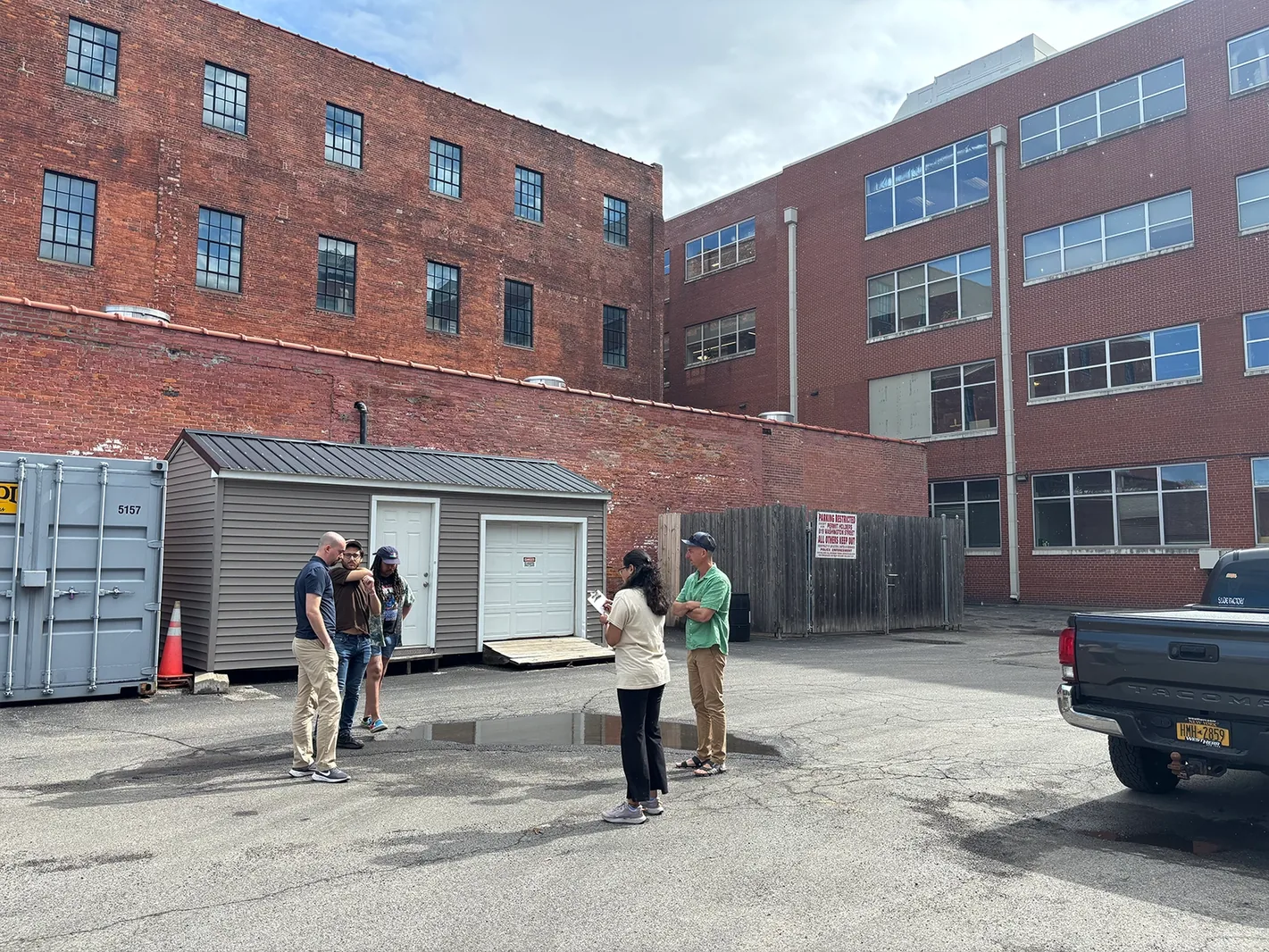
Every community has unique transportation needs. Where people live, work, learn, shop, and access essential services all shape how they move, and where gaps in the transportation system can create barriers.
We partner with communities to understand those needs and develop mobility plans that create a clear path forward. Through data analysis, community engagement, and an assessment of existing transportation options, we identify gaps and opportunities and develop actionable recommendations for building more connected, accessible, and effective transportation systems.
Good mobility planning starts with understanding the transportation system that already exists, and how people experience it.
We look at how residents currently move throughout a community, what transportation options are available to them, and where existing services may fall short. By combining transportation data with direct input from the people who use the system, we build a more complete picture of local mobility needs.
This approach allows us to identify not only where transportation gaps exist, but also where existing services, infrastructure, and community assets can be better connected or strengthened.
01
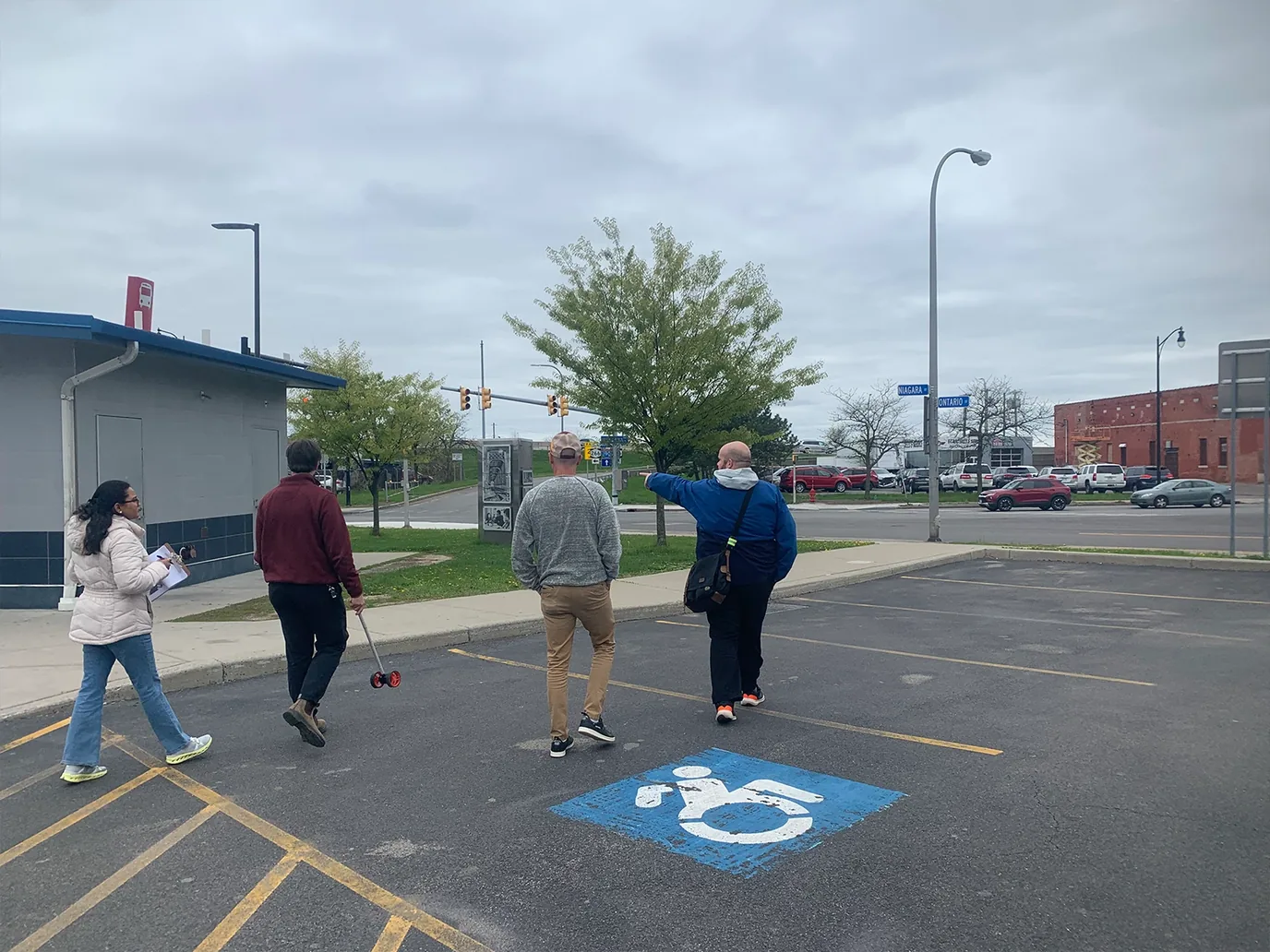
We begin by developing a clear understanding of the existing transportation landscape. We evaluate available mobility services, transportation infrastructure, key destinations, demographic and socioeconomic conditions, and travel patterns to establish a baseline for the planning process.
02
Data helps us understand where transportation needs and opportunities are concentrated. We use mapping, spatial analysis, ridership and travel data, demographic information, and other available datasets to identify patterns, gaps, and opportunities across the transportation network.
03
The people who use a transportation system every day understand its challenges in ways that data alone cannot capture. We work with residents, community organizations, businesses, institutions, and other stakeholders to understand how people experience the existing system and what they need from future mobility investments.

04
By bringing together data, community input, and an assessment of existing services, we identify where the transportation system is falling short. These gaps may include limited first- and last-mile connections, barriers to accessing essential destinations, gaps in service coverage, limited transportation options, or services that are difficult to navigate or use.
05
Once needs and opportunities are identified, we work with communities to develop strategies that respond to local priorities. Recommendations may include new shared mobility services, mobility hubs, first- and last-mile solutions, active transportation improvements, electric mobility programs, or strategies to better connect existing transportation services.
06
A successful mobility plan needs to provide a path from recommendations to action. We help communities prioritize projects and identify potential partners, funding opportunities, implementation considerations, and next steps. The result is a roadmap designed to help communities move from planning into implementation.
We Create Plans Designed to Move Forward.
A mobility plan should do more than identify transportation challenges. It should give communities the tools they need to address them.
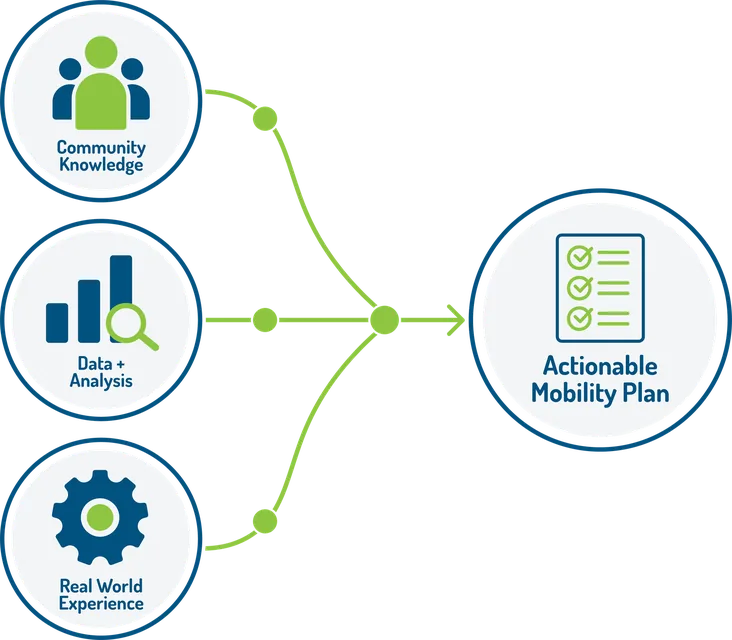
Our approach combines technical analysis with community knowledge and real-world implementation experience. Because we work directly on the implementation and operation of mobility programs, we understand the practical considerations that can determine whether a recommendation moves forward or remains on paper.
We develop recommendations with implementation in mind, considering funding, partnerships, operations, technology, infrastructure, and long-term sustainability throughout the planning process.
Transportation challenges rarely exist in isolation, and neither should their solutions.
We look at mobility as an interconnected network of services and infrastructure. Public transit, shared mobility, walking, biking, first- and last-mile services, and other transportation options all play different roles in helping people reach their destinations.
Rather than focusing on a single mode, we look for opportunities to strengthen connections across the transportation system. By identifying how existing and future services can work together, communities can expand transportation access and make it easier for people to complete trips from start to finish.
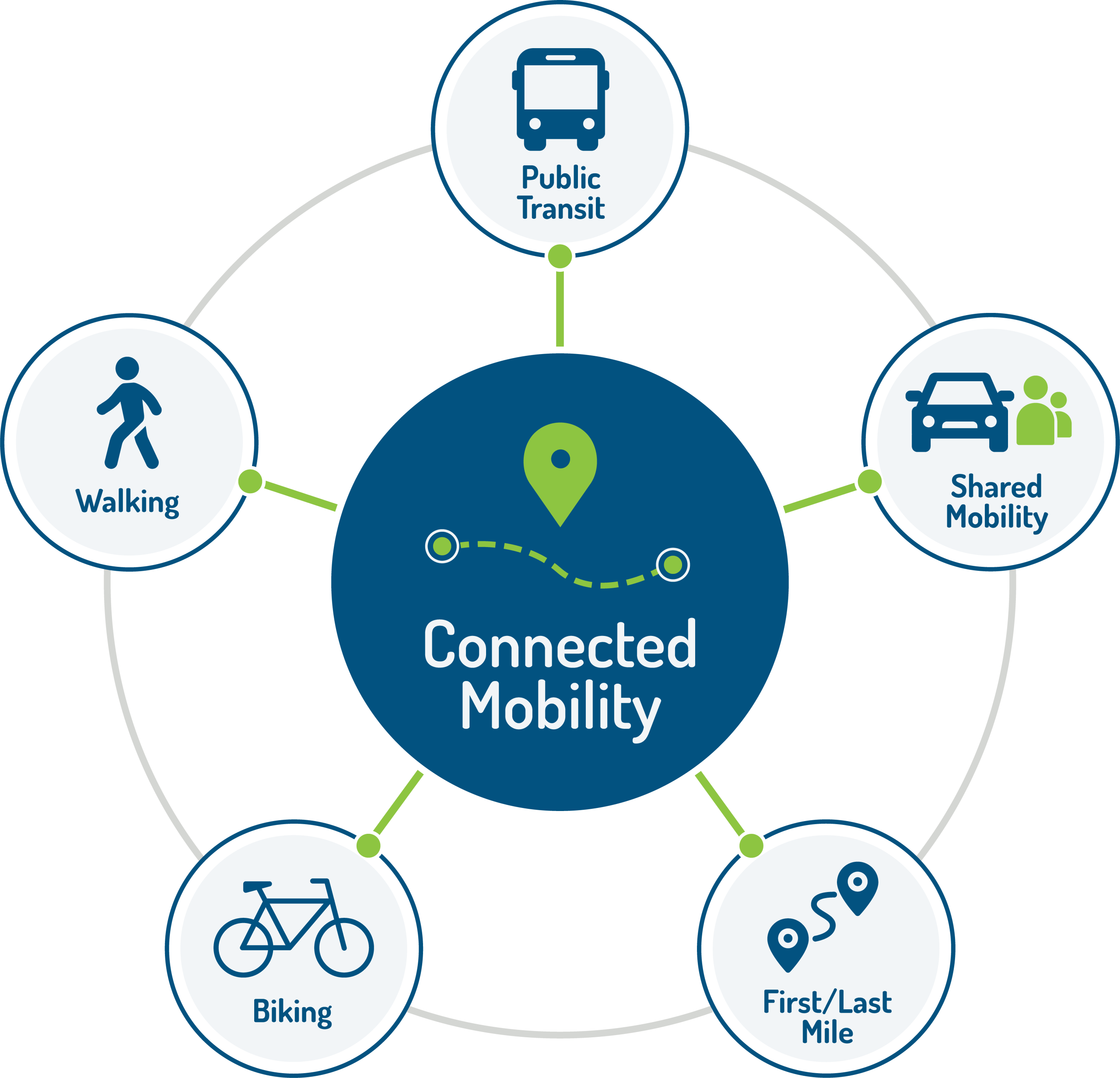
Our mobility planning work can address a range of transportation needs and solutions, including:
Recommendations are tailored to each community. Our goal is not to prescribe a particular mobility solution, but to identify the combination of services, infrastructure, and strategies that best responds to local needs.
We partner with communities, agencies, and institutions looking to better understand and address their transportation needs, including:
Whether developing a community-wide mobility plan or studying a specific transportation challenge, we tailor our approach to the scale, goals, and needs of each project.
Our involvement doesn’t have to end when the plan is complete.
As communities move forward with recommendations, we can continue to provide support by identifying funding opportunities, building partnerships, coordinating vendors, supporting procurement, and managing implementation.
This continuity helps bridge one of the most common gaps in transportation planning: the transition from identifying what should happen to figuring out how to make it happen.
By connecting planning with funding and implementation, we help communities maintain momentum and turn mobility plans into real-world transportation improvements.


Looking, thinking, and working ahead.
May 14, 2026

Nov 25, 2025
Nov 18, 2025
Whether your community is facing a specific transportation challenge or looking to develop a broader vision for the future of mobility, we can help identify a path forward.
Together, we can better understand how people move today, identify where the transportation system can improve, and develop an actionable roadmap for building a more connected and accessible mobility network.