Expertise
Insights
Current Programs
About Us
We help communities, campuses, and institutions connect existing transportation services and introduce new mobility options through thoughtfully planned electric mobility hubs. From site selection and service planning to funding and implementation, SMI helps build networks that are easier to access, understand, and use.
Communities, campuses, and institutions are investing in new ways for people to get around, from public transit and bikeshare to electric vehicles, carshare, and micromobility. But when these services operate independently, navigating the transportation system can still be complicated.
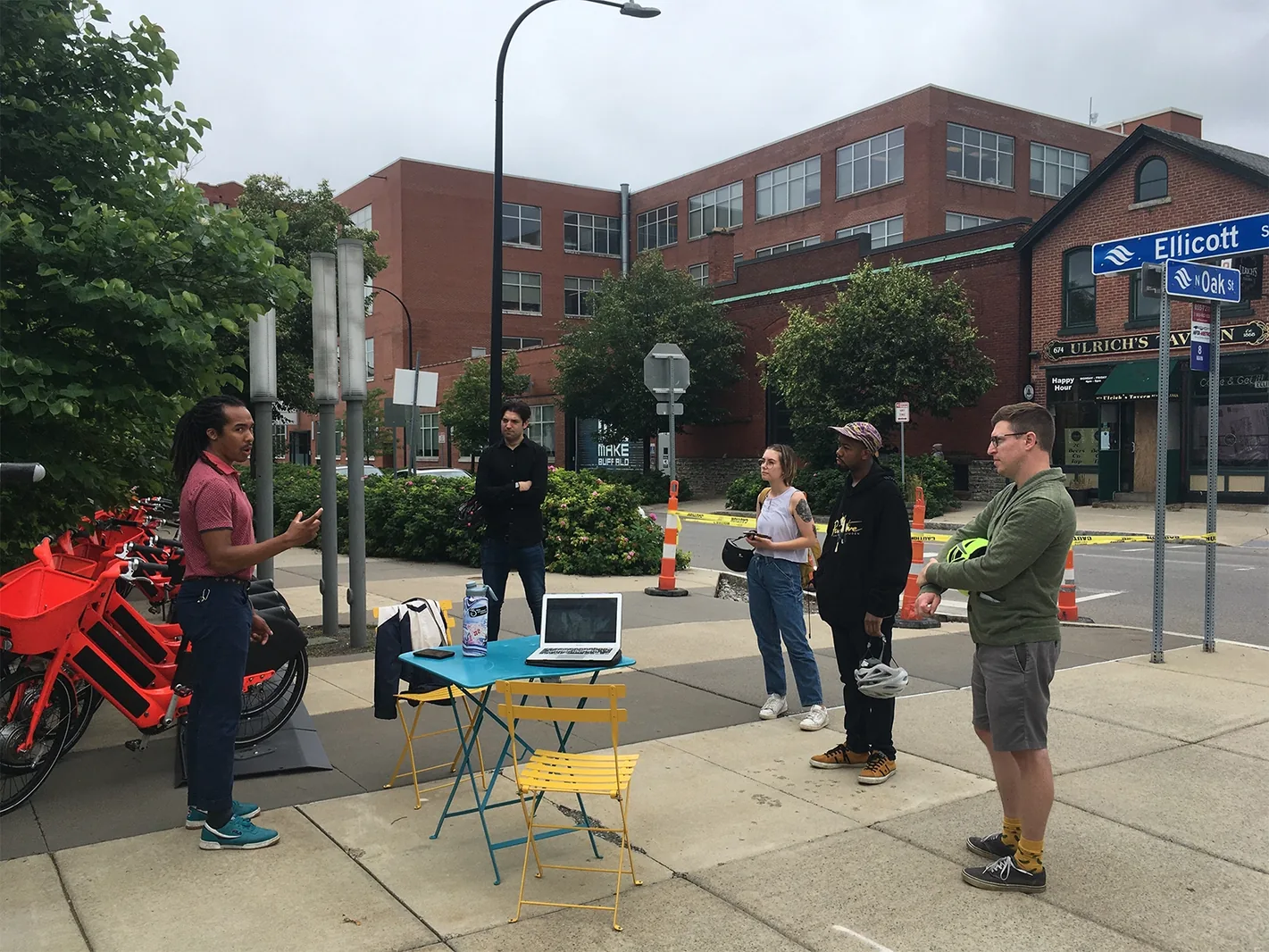
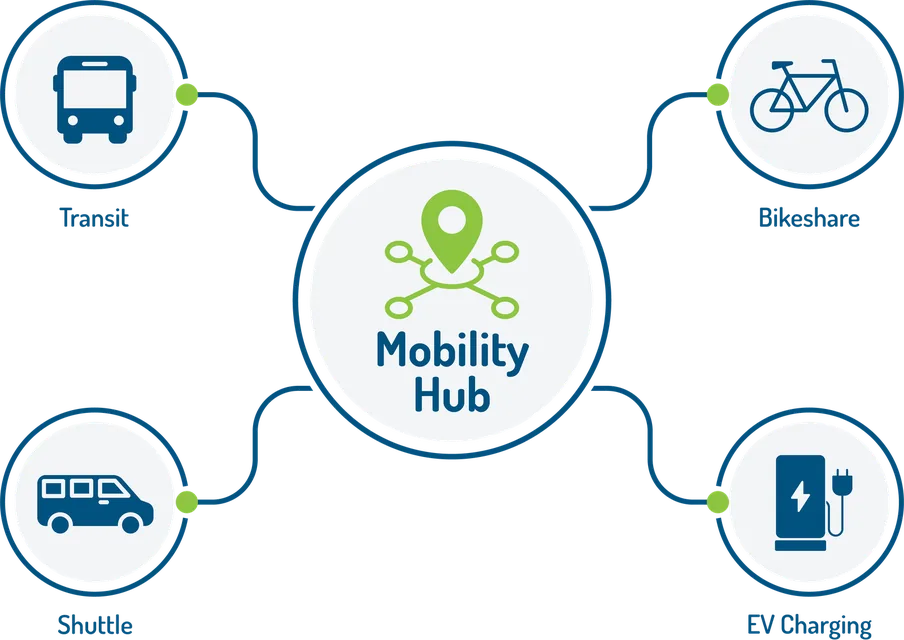
Electric mobility hubs bring these options together, creating convenient places where people can access and connect between different forms of transportation. We help communities and institutions plan and implement mobility hubs that tie together existing services, introduce new mobility options, and create a more seamless experience for the people who use them.
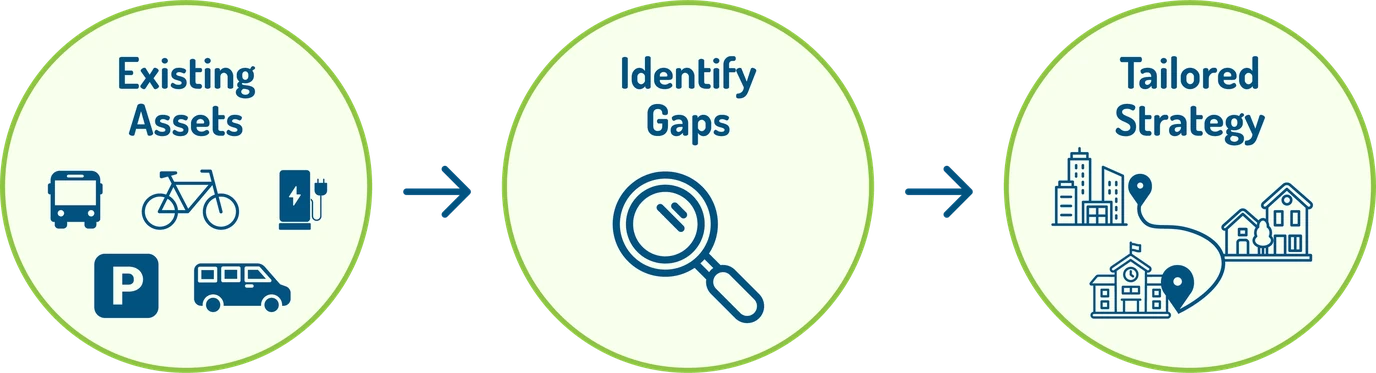
Many communities already have the building blocks of a strong transportation network. A transit stop may sit near a bikeshare station. A campus may operate shuttles while also providing EV charging and bike infrastructure. A downtown may have multiple transportation services that are available but disconnected from one another.
Mobility hubs create opportunities to connect these individual services into a more cohesive network.
We work with our partners to understand how people currently move through a community or campus, identify gaps in the existing transportation system, and determine where mobility hubs can strengthen connections between services. The result is a transportation network that is easier to understand, easier to access, and better equipped to meet a range of mobility needs.
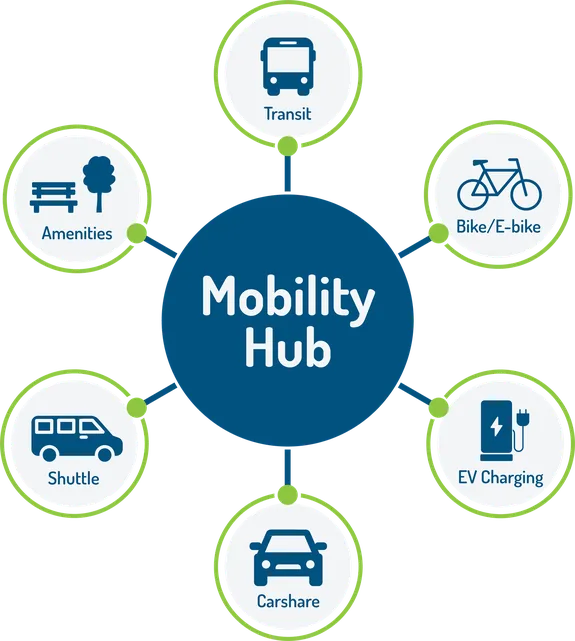
An electric mobility hub is a place where multiple transportation options and supporting amenities come together in a single, convenient location. Each hub can be designed around the needs of the people and places it serves.
Public transportation connections
Bikeshare and e-bikeshare
Shared e-bikes and e-scooters
Carshare
Electric vehicle charging
Secure bicycle parking
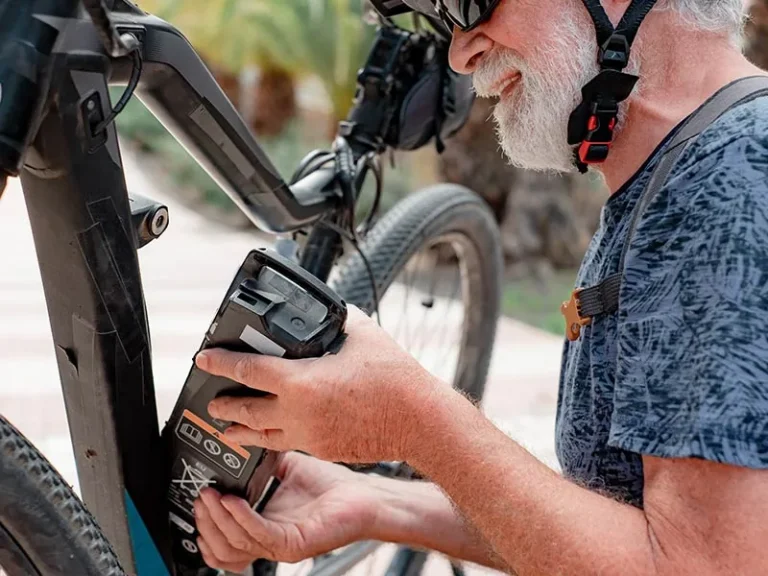
Bike repair facilities
Shuttle connections
Wayfinding and real-time transportation information
Seating, shelter, and other user amenities
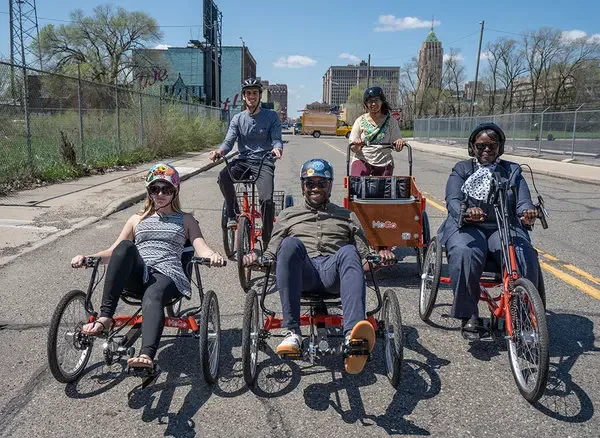
Accessible mobility options
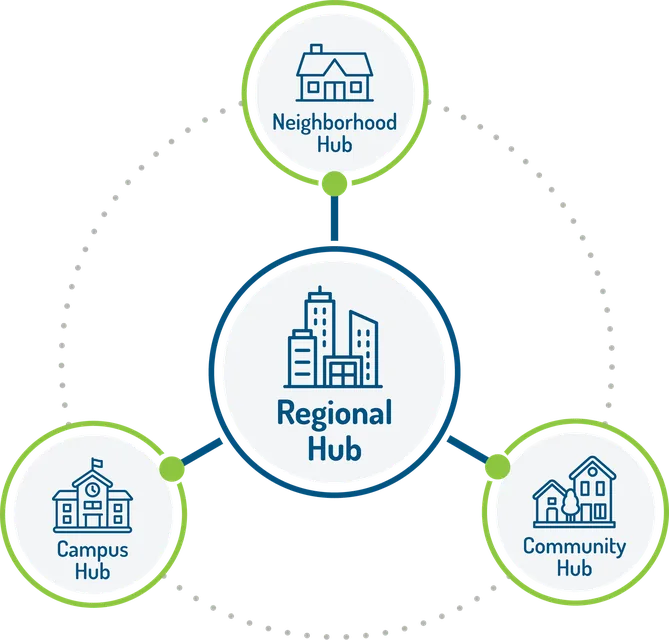
Mobility hubs can range from large, highly visible transportation centers to smaller neighborhood or campus locations. Rather than applying a single model everywhere, we help our partners develop a network of hubs that responds to the transportation needs and opportunities of each location.
01
We start by understanding the transportation system that already exists. We evaluate current mobility services, infrastructure, travel patterns, and key destinations to identify opportunities for stronger connections.
02
The right mobility services need to be in the right places. We help identify and evaluate potential hub locations based on factors such as transportation access, population and employment, existing infrastructure, community destinations, equity, and opportunities to connect with existing services.
03
Not every mobility hub needs to offer the same services. We help determine the appropriate mix of transportation options and amenities for each location, creating a diverse network that responds to different users and travel needs.
04
Mobility hubs often bring together multiple agencies, transportation providers, property owners, technology companies, and community partners. We help coordinate these stakeholders and connect the different pieces needed to move a project forward.
05
We help partners identify and pursue funding opportunities that can support mobility hub planning, infrastructure, equipment, and implementation. When needed, we can also help build partnerships and consortiums that strengthen funding applications.
06
We help turn mobility hub plans into projects on the ground. From coordinating vendors and managing project timelines to navigating permitting and installation, we provide hands-on support throughout the implementation process.
We Plan Mobility Hubs as a Network.
A single mobility hub can improve transportation access at one location. A network of mobility hubs can change how people move throughout an entire community.
We approach mobility hub planning as a system, recognizing that different locations serve different purposes. A major transit station may function as a regional hub with connections to rail, bus, bikeshare, and carshare, while a smaller neighborhood hub may provide a convenient connection between transit and first- and last-mile options.
By developing a diverse network of hubs, communities can extend the reach of public transportation, improve connections between destinations, and give people more options for completing their trips without relying on a personal vehicle.
A successful mobility hub isn’t defined only by the number of transportation options available. It also needs to be easy to use.
We consider the full user experience when planning mobility hubs, from how people find and navigate services to where they wait, transfer, park, or charge. Wayfinding, signage, shelter, seating, lighting, accessibility, and real-time information can all play an important role in making mobility services more approachable and convenient.
By designing around the people who use the system, mobility hubs can make transportation networks feel more connected, intuitive, and accessible.

We partner with organizations looking to connect transportation services and expand mobility options, including:
State and local government agencies
Transit agencies
Metropolitan planning organizations
Universities and colleges
Corporate and institutional campuses
Hospitals and medical campuses
Transportation authorities
Community-based organizations
Property owners and developers
Whether developing a single mobility hub or planning a community-wide network, we can provide support from initial concept through implementation.
Every community has a different starting point.
Some already have robust public transportation and shared mobility services that need to be better connected. Others may be looking to introduce new transportation options alongside existing transit. Campuses and institutions may have their own mix of shuttles, bikeshare, parking, EV charging, and other services that could function more effectively as an integrated system.
We meet our partners where they are. By building on existing transportation assets and identifying opportunities to fill critical gaps, we help create mobility hub strategies that are practical, scalable, and tailored to the communities they serve.
Looking, thinking, and working ahead.
May 14, 2026
Nov 25, 2025
Nov 18, 2025
You may already have many of the pieces of a successful mobility network. We can help you connect them.
From assessing existing services and identifying hub locations to securing funding and managing implementation, we help communities and institutions turn individual transportation options into connected mobility networks that make it easier for people to get where they need to go.