An assessment of benefits, typology, constraints, and paths forward to expand adaptive bike access for everyone
Key Recommendations Expand adaptive bike access through bikeshare, rebate, and nonprofit programs Adaptive bikes remain financially out of reach for many riders. Expanding adaptive bikeshare programs, e-bike rebates, and nonprofit ownership initiatives can reduce barriers and improve access to inclusive mobility. Design bike infrastructure using universal accessibility principles Protected bike lanes, wider pathways, accessible curb ramps, and infrastructure designed for larger adaptive cycles are essential to creating safe, connected transportation networks for riders of all abilities. Address overlooked barriers like transportation, care support, and storage Adaptive bike access extends beyond the bike itself. Transportation assistance, caregiver support systems, and secure storage, especially in shared and group living environments, are critical for long-term use and independence.
Intro

Before joining Shared Mobility Inc., I worked at GiGi’s Playhouse, a national nonprofit dedicated to supporting individuals with Down syndrome and their families through inclusive, empowering programming. That experience had a lasting impact on how I understand ability; not as a limitation, but as something shaped by the environments and systems around us. It also deepened my awareness of the barriers that people with disabilities continue to face in everyday life.
In the micromobility field, one of the most rewarding aspects of the work is witnessing the joy that cycling brings to people. That joy takes many forms: the freedom of independent travel, the physical and mental health benefits, or simply the enjoyment of being on a bike. While the bicycle industry has made meaningful progress in expanding access for riders of different ages and abilities, that progress has not been evenly realized.
Adaptive bicycles represent one of the most important tools in bridging this gap. They expand who can ride and how people experience mobility, but access to these tools is still not universal.
This article explores the benefits of adaptive bicycles, outlines common types of adaptive bike designs, and highlights key considerations for improving equitable access moving forward.
Benefits
Adaptive bicycles pose significant benefits when they are accessible for people with disabilities, people recovering from injury, older adults, and people who aren’t confident on a standard two-wheel bike.
Physical Health
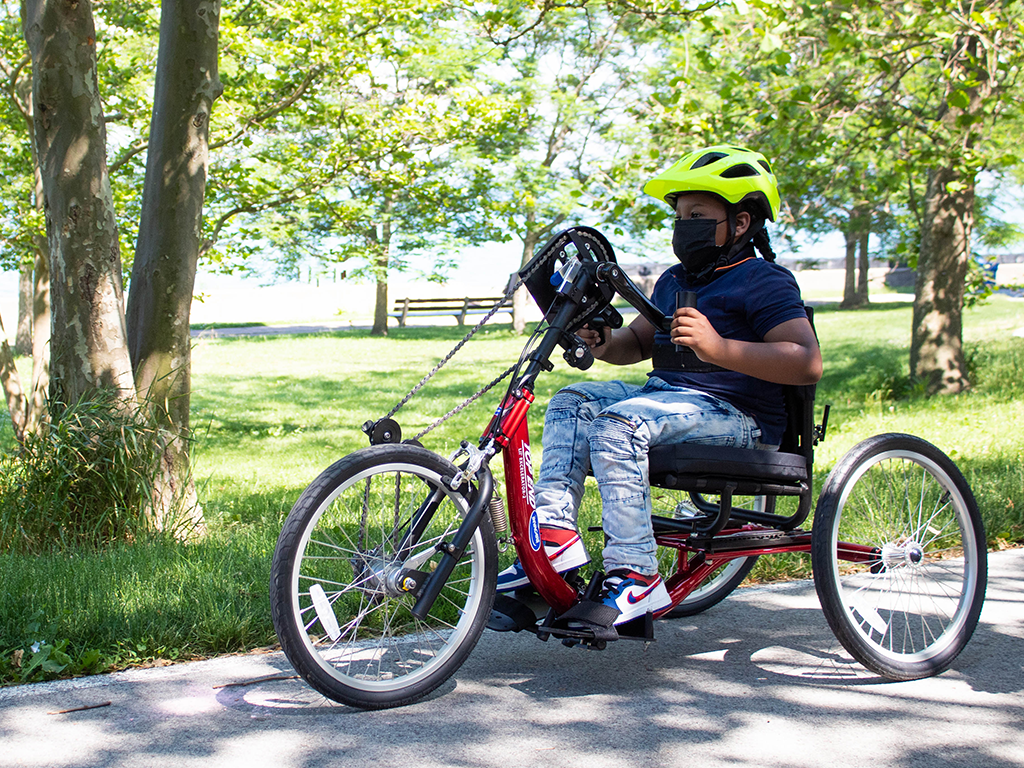
One of the primary benefits of adaptive bicycles is expanding access to low-impact exercise. While traditional cycling is already relatively gentle on the body, adaptive designs can further reduce strain on joints, making them accessible to a wider range of riders. Adaptive bikes can support rehabilitation, physical therapy, and occupational therapy goals for people recovering from injury, people with disabilities, and older adults looking to maintain regular activity.
In addition to cardiovascular benefits, adaptive cycling can help improve strength, coordination, and range of motion. It also promotes greater consistency in physical activity, as outdoor, mobile exercise is often more engaging and sustainable than indoor, stationary alternatives. For these reasons, adaptive bikes are particularly valuable for individuals with balance impairments, joint sensitivity, or limited mobility, supporting long-term health and overall well-being.
Mental and Social Health
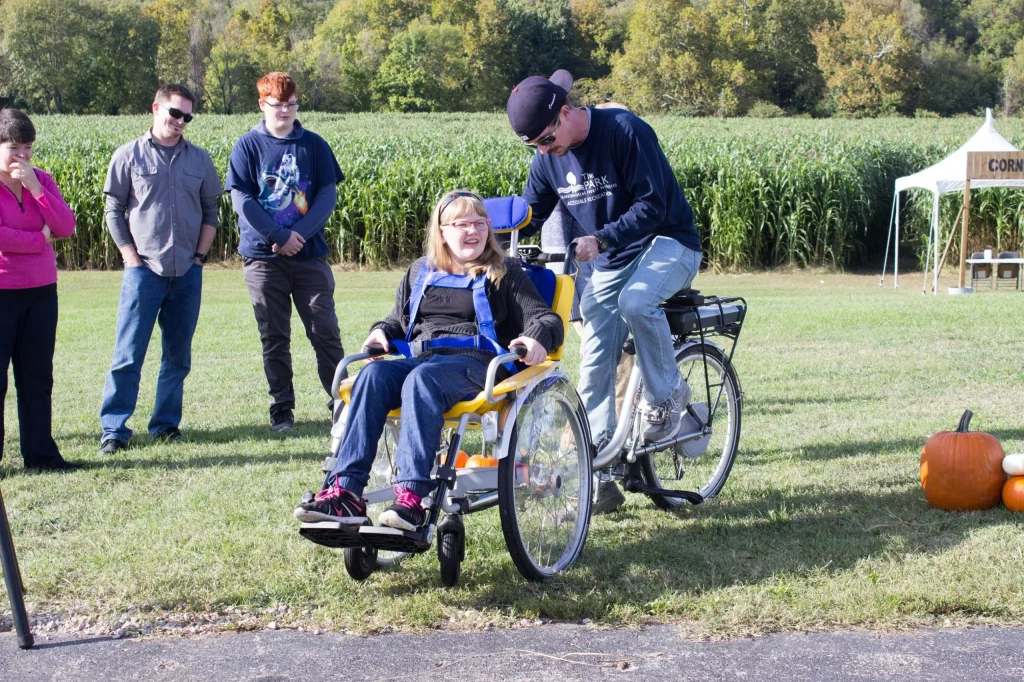
Another benefit of adaptive bicycles is expanding access to the joy of cycling. For many, riding a bike represents freedom, independence, and a sense of connection to their surroundings. By accommodating a wide range of abilities, they enable more people to participate in cycling as a meaningful and enjoyable activity.
Adaptive bikes also make it possible for individuals to take part in social and family rides, fostering inclusion and shared experiences. They open access to parks, trails, and waterfronts that might otherwise be difficult to reach, creating new opportunities for outdoor recreation without the need for specialized facilities. In doing so, adaptive bicycles help normalize cycling as an inclusive, community-oriented activity that can be enjoyed by people of all abilities.
In addition to these benefits, cycling can have meaningful impacts on mental health. Time spent outdoors, combined with physical activity, has been shown to reduce stress, improve mood, and support overall well-being. For many riders, adaptive cycling also builds confidence and a sense of independence, reinforcing positive mental health alongside the physical and social benefits.
Transportation
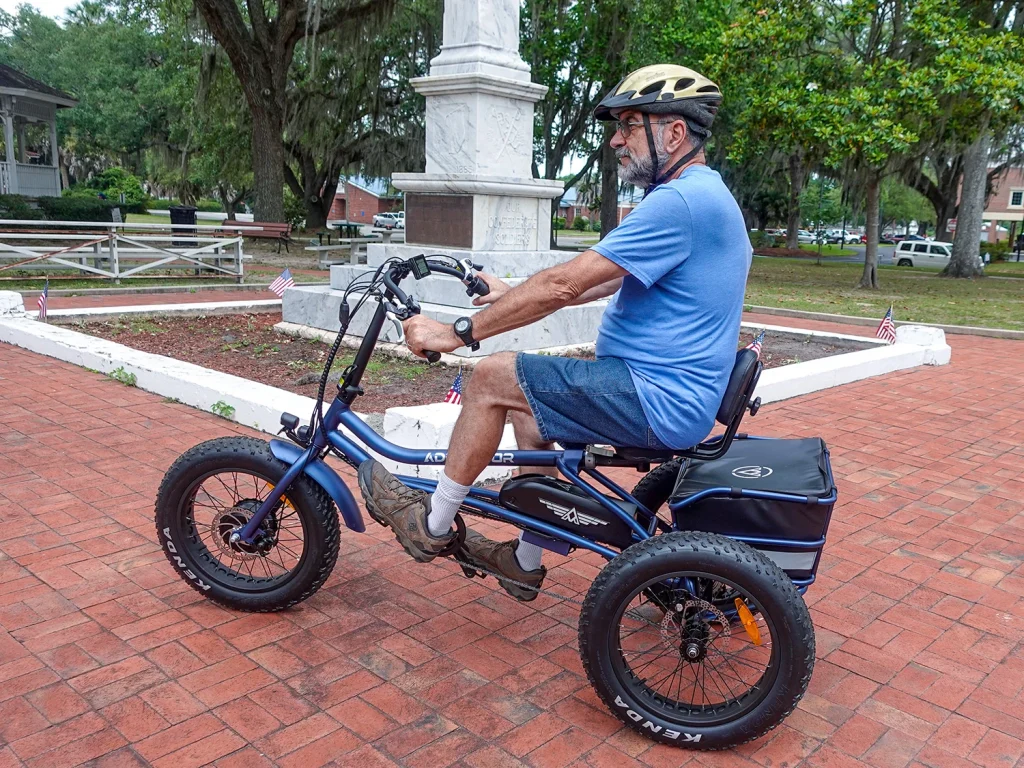
Adaptive bicycles can also play an important role in improving transportation access, particularly in areas where paratransit services are limited or insufficient to meet daily needs. For some individuals, they provide a flexible, on-demand mobility option for short trips, offering greater autonomy and reducing reliance on pre-scheduled services.
In this way, adaptive bikes can help bridge first- and last-mile gaps to transit, employment centers, and essential services. They also reduce the burden of long wait times and advance booking requirements often associated with paratransit, allowing users to travel more spontaneously and efficiently. For certain trip types, adaptive cycling can serve as a lower-cost alternative, particularly for short, frequent trips.
By expanding reliable and independent mobility options, adaptive bicycles can improve access to jobs, healthcare, and daily necessities, especially in communities with limited transit coverage, supporting greater economic participation and quality of life.
Common Styles
Adaptive bicycles come in a wide range of configurations designed to meet the needs of riders with diverse abilities, preferences, and use cases. Each design addresses specific mobility challenges while expanding access to cycling. Many of these formats are available in both analog and electric versions, with pedal-assist systems offering additional support for riders navigating hills, longer distances, or varying levels of physical exertion.
Diversity in design allows adaptive bicycles to serve not only as recreational tools, but also as practical mobility solutions that can be tailored to individual needs and contexts.
Recumbent Trikes
Recumbent trikes are a popular form of adaptive bikes. All recumbent trikes feature three wheels, which improves rider stability, as well as a reclined seating position. The reclined rider position serves two key purposes. First, it provides a comfortable riding position, with ample back and neck support. Second, the reclined pedaling position can reduce strain on the rider’s joints.
There are two common types of recumbent trikes, a tadpole design, which has two wheels in the front and one in the rear, and a delta design, which has one wheel in the front and two in the rear.
Tadpole Recumbent Trikes
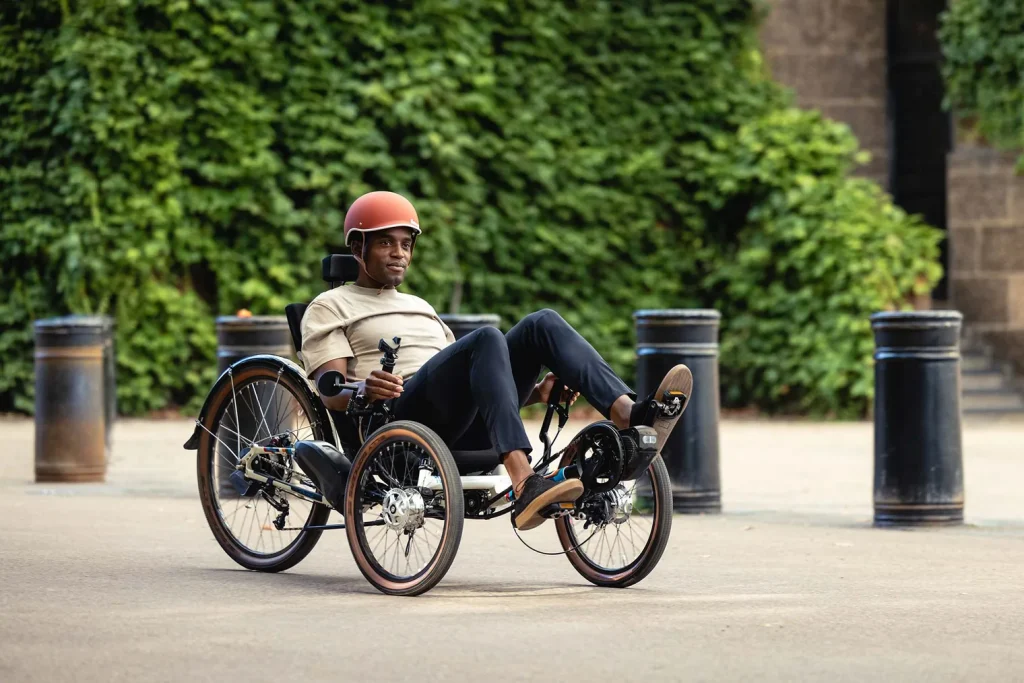
Most modern recumbent trikes utilize a tadpole design. Having two wheels in the front reduces the risk of roll-over accidents when cornering. The tadpole design also can enable frame geometry that places the rider lower to the ground, and in a more reclined position. This further improves comfort and stability in cornering, and creates a naturally more aerodynamic position for the rider. For this reason, this design is common for riders of a wide range of abilities, from people with joint or spinal limitations, to endurance athletes.
Delta Recumbent Trikes
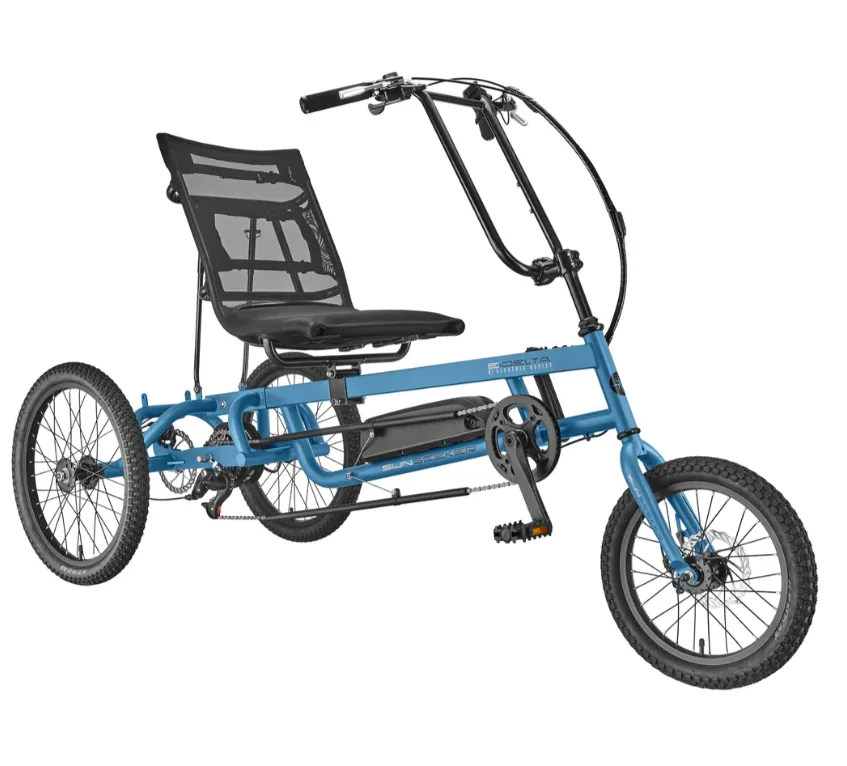
Opposite of tadpole designed recumbent trikes, the delta-designed recumbent features geometry that places the rider in a higher position, and slightly less reclined. This is beneficial for people who may struggle to get into a lower positioned bike, it also improves the riders ability to scan their surroundings, due to their head being placed more upright.
Upright Trikes and Quads
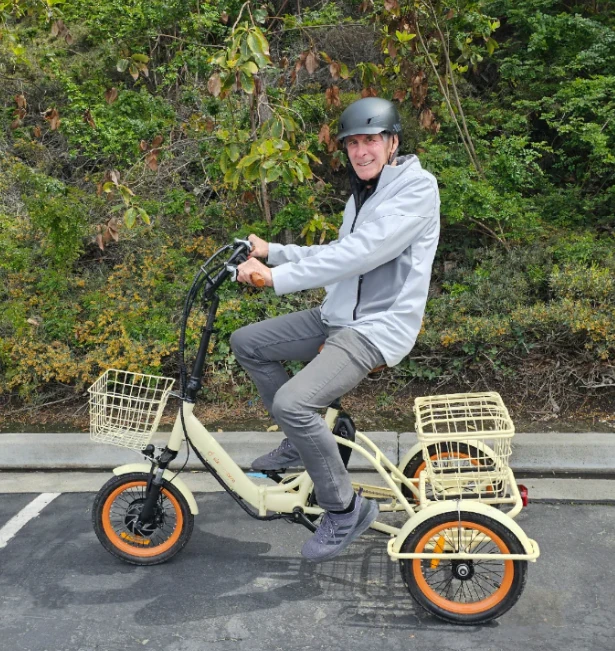
Upright tricycles and quadricycles offer a more traditional cycling experience while providing added stability through three or four wheels. With a riding posture similar to a standard upright bike, these models are often equipped with larger seats, supportive backrests, and step-through frames to improve comfort and ease of use.
They are particularly well-suited for riders with developmental disabilities, balance challenges, or those who may feel less comfortable on two wheels. By combining familiar design with enhanced stability and support, upright trikes and quads provide an accessible entry point to cycling while maintaining a sense of independence and confidence.
Handcycles
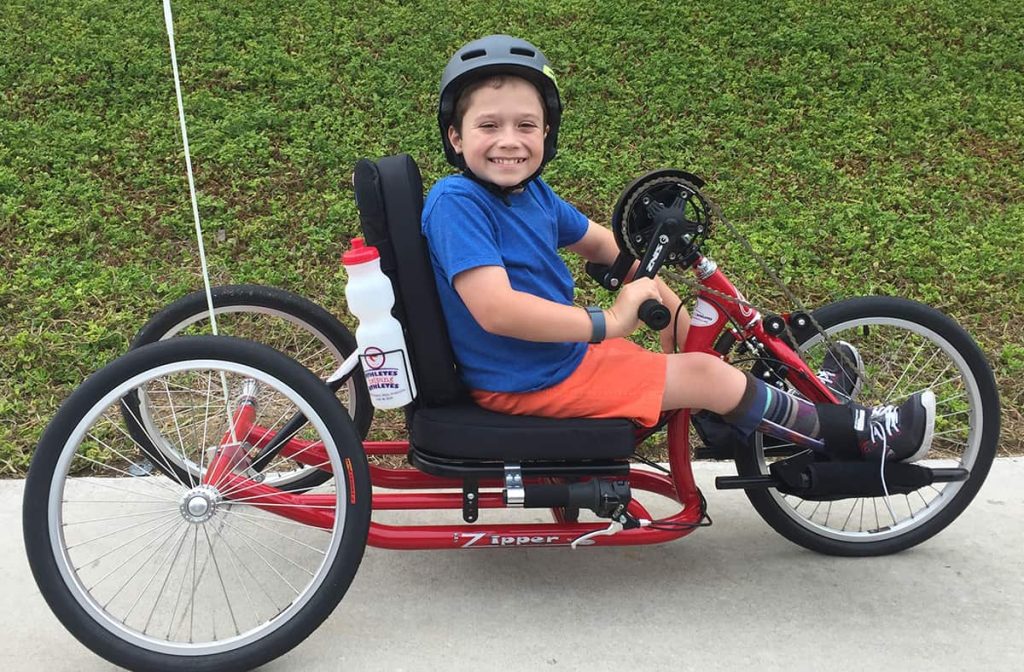
Handcycles are adaptive bicycles powered by the arms rather than the legs, using a hand-crank system to propel the rider forward. They are commonly used by individuals with paralysis, spinal cord injuries, or limited leg mobility, providing an accessible way to engage in both recreation and transportation.
Handcycles are available in multiple configurations, including recumbent models that position the rider low to the ground for stability and efficiency, as well as attachment systems that connect directly to a manual wheelchair. This flexibility allows riders to choose a setup that best fits their mobility needs, while maintaining independence and access to the physical and mental health benefits of cycling.
Tandem Bikes
Tandem bicycles are designed for two riders to share a single bike, allowing them to ride together through coordinated pedaling and steering. They are commonly used by individuals who are blind or have low vision, as well as riders who may need assistance with pedaling, balance, or navigation. In most configurations, a more experienced or able rider serves as the “captain,” responsible for steering and control, while the second rider contributes to pedaling. Tandem bikes support inclusive riding by enabling shared experiences and expanding access to cycling for those who may not be able to ride independently.
In-Line Tandem Bikes

The traditional tandem design positions riders in a front-and-back configuration, with the captain seated in the front and the second rider behind. This layout is one of the earliest and most widely used adaptive cycling formats, particularly for riders with visual impairments. In-line tandems are available in a wide range of styles, from casual, upright models to high-performance designs used in competitive settings, including Paralympic racing. Their versatility makes them suitable for both recreational and athletic use.
Side-by-Side Tandem Bikes
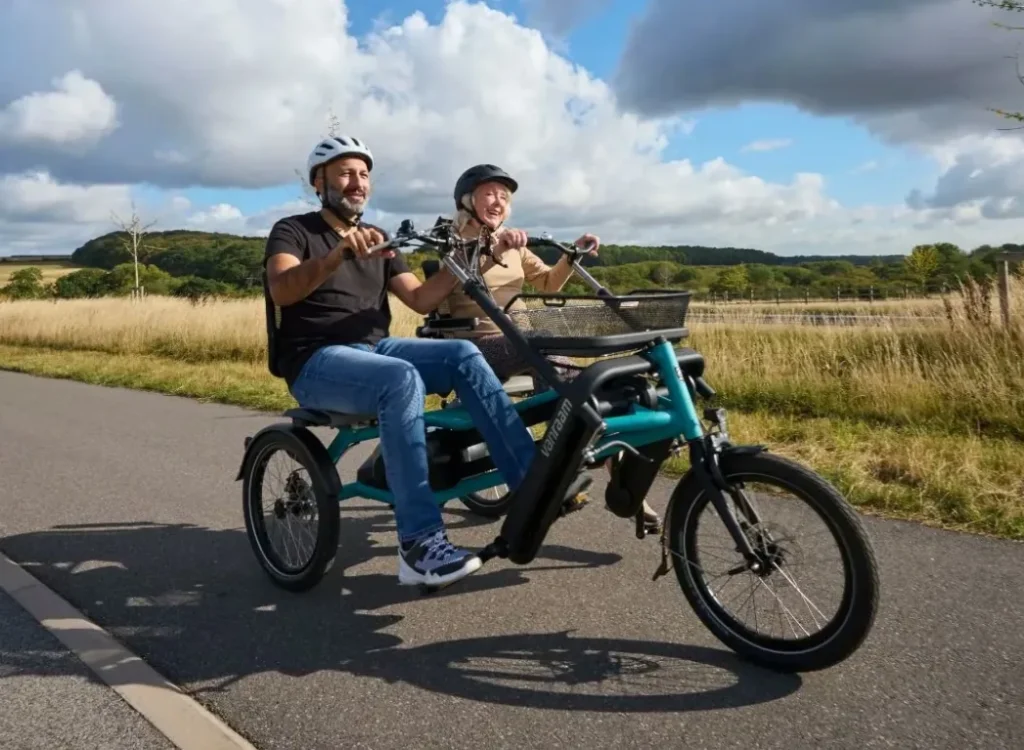
Side-by-side tandems position riders next to each other, allowing for direct communication and increased supervision during the ride. This configuration is especially beneficial in therapeutic or supportive settings, where interaction between riders is important. It is often used for individuals who may require closer assistance, including those with cognitive or developmental disabilities. By supporting conversation and shared control, side-by-side tandems create a more social and supportive cycling experience.
Wheelchair Transport Bikes
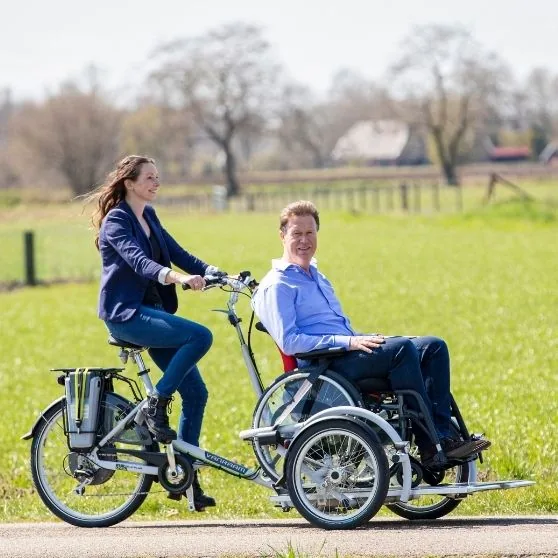
Wheelchair transport bikes are designed to carry a person who remains in their wheelchair while participating in a cycling experience. These bikes incorporate a platform or docking system that securely locks the wheelchair into place, allowing the rider to remain seated without needing to transfer. This design removes a significant barrier to access and enables participation for individuals with more complex mobility needs.
Wheelchair transport bikes can be configured with the wheelchair positioned at the front or rear of the bike, depending on the model and intended use. Front-loading designs allow for greater visibility and interaction between the rider and the operator, while rear-loading configurations may offer a more familiar riding feel for the person pedaling. Commonly used in therapeutic, recreational, and community-based programs, these bikes expand access to outdoor activity and shared cycling experiences for individuals who might otherwise be excluded.
Step-Through Upright Bikes
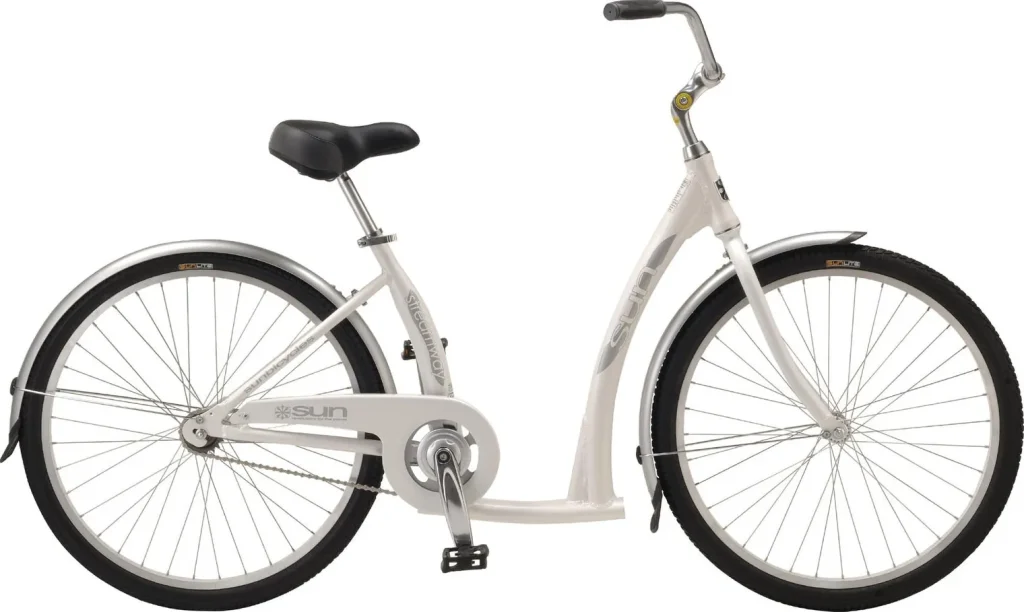
Step-through upright bikes feature a low or open frame design that allows riders to mount and dismount the bike without lifting a leg over a high top tube. This configuration, combined with a more upright riding posture, improves ease of use, comfort, and stability, particularly for individuals with limited mobility, balance concerns, or joint stiffness. Often paired with wider saddles and adjustable handlebars, step-through bikes provide a familiar and accessible cycling experience, making them a practical option for everyday riding, short trips, and riders seeking a more comfortable and confidence-inspiring design.
Cargo bikes
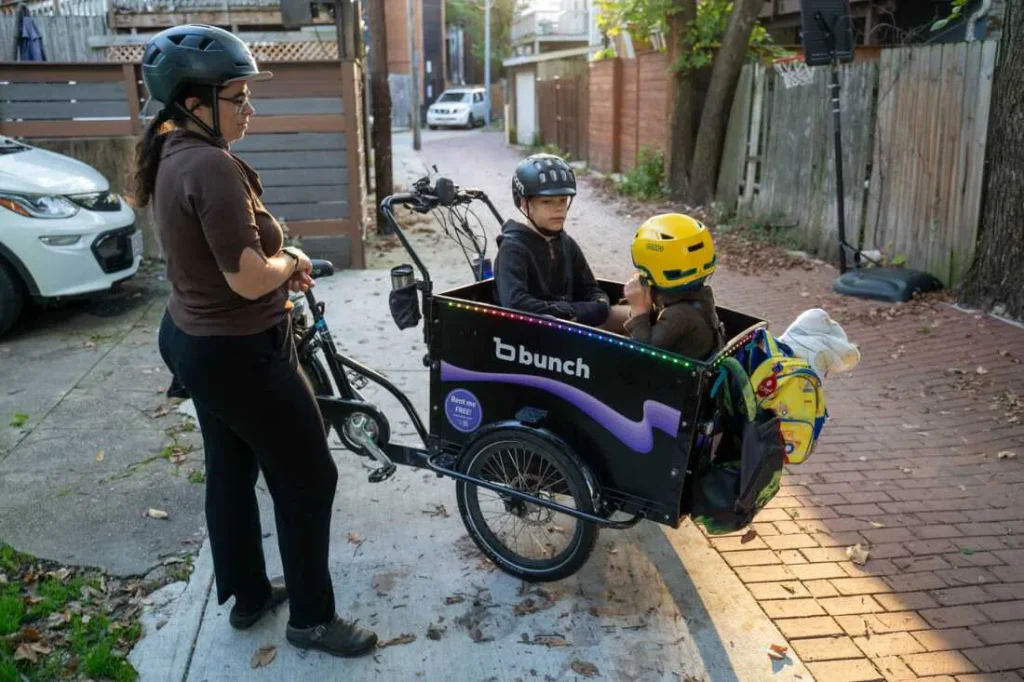
Cargo bikes are designed to carry additional passengers or loads, often featuring a front-mounted box or seating area that can accommodate children or adults. In adaptive cycling contexts, they are commonly used to transport individuals who are unable to pedal independently, allowing them to participate in cycling as passengers. With stable frames and secure seating options, cargo bikes enable shared riding experiences while expanding access to outdoor activity, caregiving mobility, and community travel.
Analog vs Electric

Adaptive bicycles are available in both analog and electric formats, each offering distinct advantages depending on a rider’s needs and intended use. Analog adaptive bikes rely entirely on human power, making them a straightforward and reliable option for riders seeking a more traditional cycling experience. They are typically lower in cost, easier to maintain, and do not require charging infrastructure, which can make them more accessible in certain contexts. For many riders, analog models also provide a greater opportunity to engage directly in physical activity, supporting cardiovascular health, strength building, and rehabilitation goals.
Electric adaptive bikes, by contrast, incorporate pedal-assist or throttle systems that supplement a rider’s effort. This added support can be especially valuable for individuals with limited strength, stamina, or mobility, as well as for navigating hills or traveling longer distances. E-assist can reduce physical strain and fatigue, allowing riders to maintain a comfortable level of exertion while still experiencing the benefits of cycling. In a transportation context, electric adaptive bikes can make trips more feasible and time-competitive, expanding their utility beyond recreation to include commuting and access to daily needs.
Together, analog and electric adaptive bikes provide a spectrum of options that can be matched to individual abilities and goals.
While analog bikes may be well-suited for exercise-focused or lower-cost applications, electric models can broaden participation by lowering physical barriers and extending range.
Offering both options within a program or system allows for greater flexibility and inclusivity, ensuring that more riders can find a configuration that supports their mobility, health, and independence.
Considerations for access
Systemic Limitations
Adaptive bicycle use is often constrained by systemic limitations that extend beyond the bikes themselves, particularly in gaps in cycling infrastructure and care networks. While these bicycles are designed to expand access, the environments and support systems in which they operate are not always equipped to accommodate their use at scale.
Infrastructure
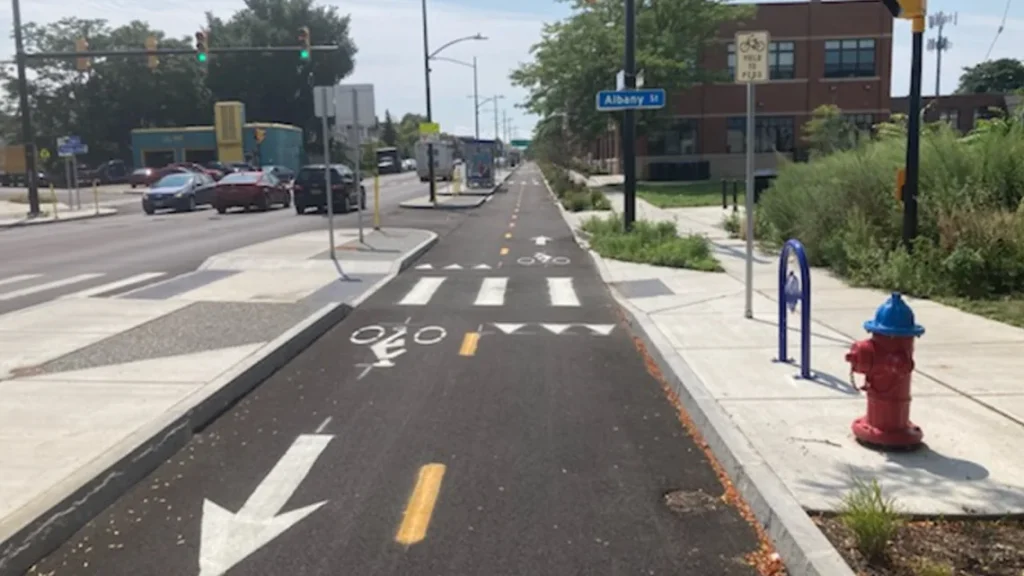
Many transportation networks are not designed with adaptive bicycles in mind. Wider turning radii, longer wheelbases, and heavier frames can make it difficult to navigate narrow bike lanes, tight path networks, or streets with physical barriers such as bollards and substandard curb cuts. In many cases, adaptive bikes are not fully compatible with existing bike infrastructure, limiting where riders can safely travel. Insufficient protected bike lanes and tracks further discourage use, particularly for riders who may have lower confidence or require a higher level of separation from traffic. Additionally, inconsistent enforcement of the ADA can create barriers to even reaching safe infrastructure, as inaccessible sidewalks, crossings, and curb ramps disrupt continuity in the network.
Incorporating universal design principles into bike infrastructure and network planning is critical to ensuring that bike infrastructure and program facilities are accessible, intuitive, and usable for riders of all abilities.
Care Networks for People with Disabilities
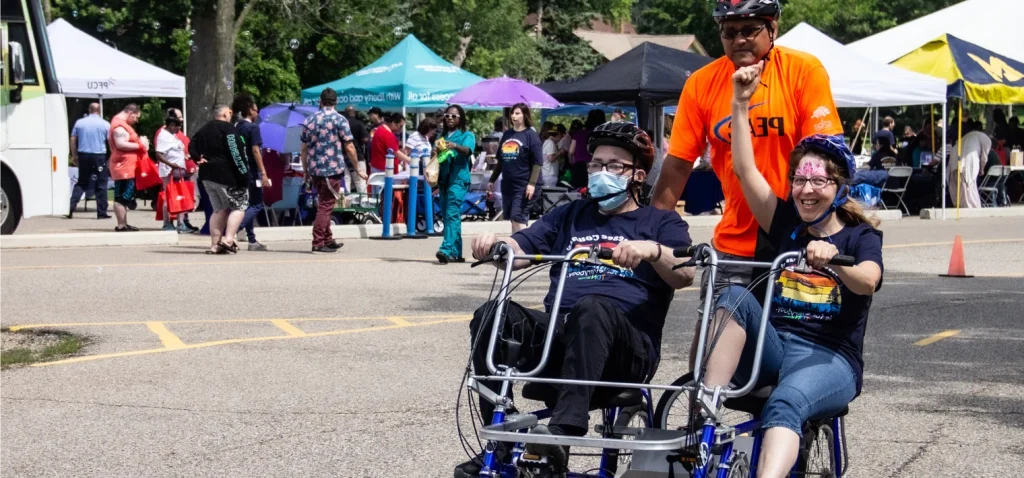
Access to adaptive cycling is also shaped by the availability of care networks and support services. Many riders require assistance with transferring onto bikes, securing equipment, or navigating routes, which can limit independent use if caregivers or trained staff are not available. Programs that offer fittings, training, and maintenance support are essential, but they are often limited in scale and reliant on community-based organizations with constrained resources.
People accessing programming can face significant transportation barriers. Caregivers often lack reliable access to personal transportation and instead rely on public transit and rideshare services to support both their own mobility and that of the individuals they care for, adding complexity to the logistics of accessing adaptive programs. In such cases, this would require aligning multiple bus schedules, making a simple bike ride a multi-hour affair, or paying for rideshare or taxi services for multiple legs of the journey, adding additional costs for people on limited support budgets or with fixed incomes.
Similarly, in cases of personal ownership, transportation to and from protected cycling locations can present an additional barrier, as many standard vehicles and transit options are not equipped to carry larger or non-foldable adaptive bikes, requiring specialized transport or coordination.
Storage can also be a challenge, particularly in group homes or shared living environments where space is limited and facilities are not designed to accommodate larger equipment. Without consistent access to these services, along with supportive transportation and storage solutions, adaptive cycling can remain difficult to access for those who could benefit most.
Cost Limitations

Adaptive bicycles vary widely in cost depending on their level of customization, support features, and whether they include electric assist. At the lower end, more basic upright or entry-level adaptive tricycles can cost a few hundred dollars, typically in the $300–$800 range. Mid-range adaptive bikes with more specialized support features, such as positioning systems, recumbent frames, or therapeutic components, generally fall between $1,000 and $3,500. Highly customized or clinical-grade adaptive bikes can exceed $3,000 to $5,000+. These higher costs are often necessary to meet individual mobility needs but can present a significant barrier without subsidies or programmatic support.
Electric adaptive bikes typically sit at a higher price point due to the addition of motors, batteries, and control systems. Entry-level electric trikes can start around $1,200–$2,000, while more robust or cargo-capable models range from $1,800 to $8,000+. Premium electric adaptive bikes with extended range, higher weight capacities, or specialized configurations can easily exceed $4,000.
While electric variants require a higher upfront investment, they can significantly expand usability by reducing physical strain, increasing trip range, and making cycling more accessible for riders with limited strength or endurance.
Equitably expanding access to adaptive bicycles is not possible without programmatic models that reduce cost and lower barriers to entry. Bikeshare systems, nonprofit programming, and incentive programs each play a critical role in this ecosystem by providing structured, affordable pathways for people to try, use, and ultimately adopt adaptive cycling. Together, these approaches help bridge gaps in affordability, awareness, and support, making adaptive bikes more accessible to a broader range of riders while advancing equity in mobility and recreation.
Bikeshare and Nonprofit Programming
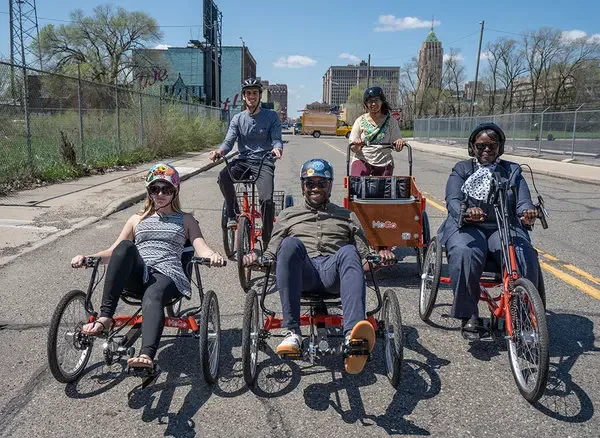
Integrated programming in Bikeshare systems is an emerging trend in North America that provides access to adaptive bikes without the need to purchase and maintain these often expensive bikes. There are currently a handful of bikeshare networks that operate adaptive programs, including…
- Biketown – Portland, OR
- MoGo – Detroit, MI
- Bay Wheels – Bay Area, CA
- Hamilton Bikeshare – Hamilton, ON
- POGOH – Pittsburgh, PA
These networks rely on hub-based models, establishing stand-alone locations to distribute adaptive bikes to program participants. These locations typically feature a shipping container or other structure located adjacent to an existing trailway or park. While rental structures and availability vary, these programs include a wide range of adaptive bikes featuring analog and electric options.
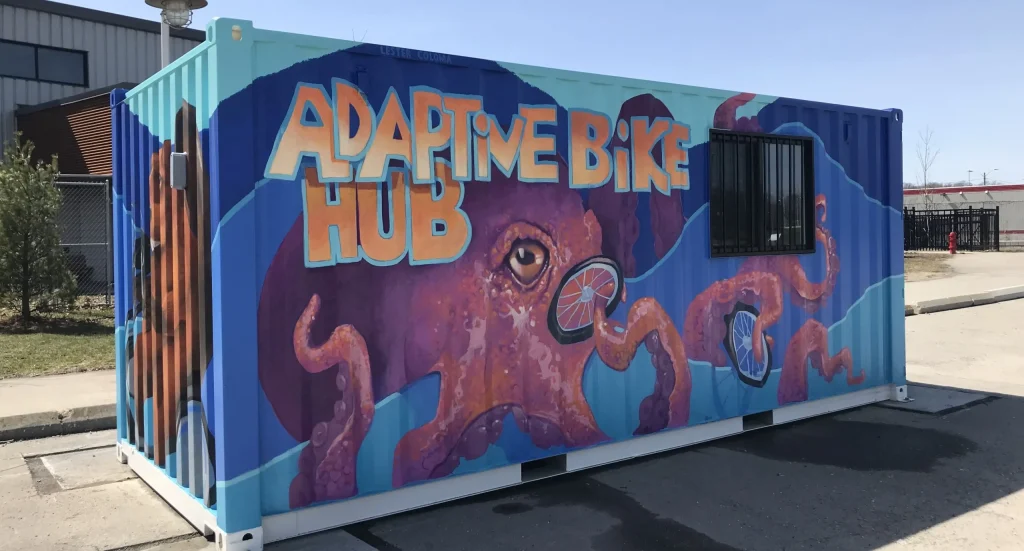
There are further non-profits and bike shops that offer adaptive bike programming or rentals across the US. Bikes for Every Body is a national non-profit that has a comprehensive list of adaptive bike programming across the US. Click here for their list of organizations segmented by State.
Ownership Programs
While shared and program-based models play an important role, personal ownership of adaptive bicycles can significantly expand access by removing many of the logistical barriers associated with scheduling, transportation, and availability. Owning a bike allows individuals to ride on their own time, integrate cycling into daily routines, and build consistency in both recreational and transportation use. However, the high upfront cost of adaptive bikes makes ownership unattainable for many without targeted financial support.
Rebate Programs
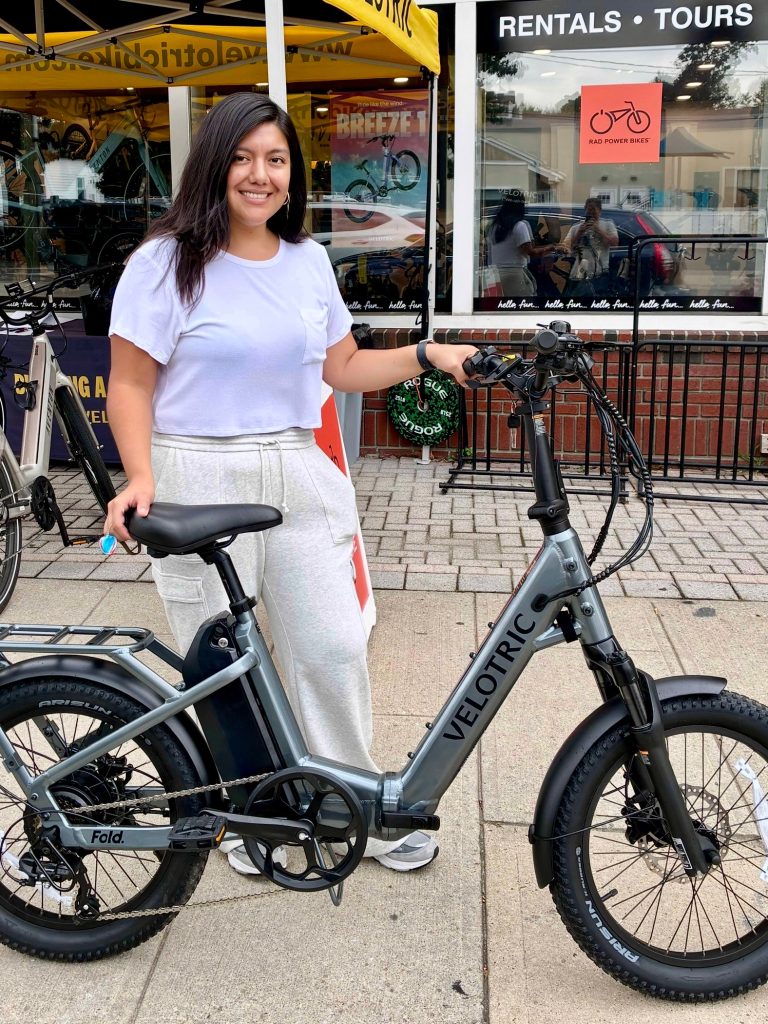
Rebate and incentive programs are an emerging tool to address this affordability gap related to purchasing e-bikes. Shared Mobility Inc has been at the forefront of these programs in New York State. These programs provide direct financial assistance, often in the form of point-of-sale discounts, to reduce the cost of purchasing a bicycle. In some cases, rebates are structured to prioritize low- to moderate-income individuals or those with demonstrated mobility needs.
This philosophy can be applied by creating rebate tiers for people with adaptive needs. Cities like Denver, Colorado, include a higher rebate amount towards the purchase of adaptive bikes. The City of Boulder, Colorado, similarly provided proportional rebates considering the purchase price and the demonstrated level of need to accommodate adaptive bike purchases. By lowering the financial barrier to entry, rebate programs can help more individuals transition from occasional or program-based use to consistent, independent, or supported riding.
Nonprofit and Philanthropic Donations
Nonprofit organizations and philanthropic initiatives also play a critical role in expanding ownership. Programs like AdaptAbility focus on providing adaptive bicycles to individuals with developmental and physical disabilities, often through application-based donation or lending programs. Similarly, Adaptive Cycle Foundation supports veterans with disabilities by funding and distributing customized adaptive bikes. These efforts help fill gaps left by public programs, ensuring that individuals with the greatest need can access equipment that supports their mobility, independence, and quality of life.
Accessible Storage in Group Living Environments
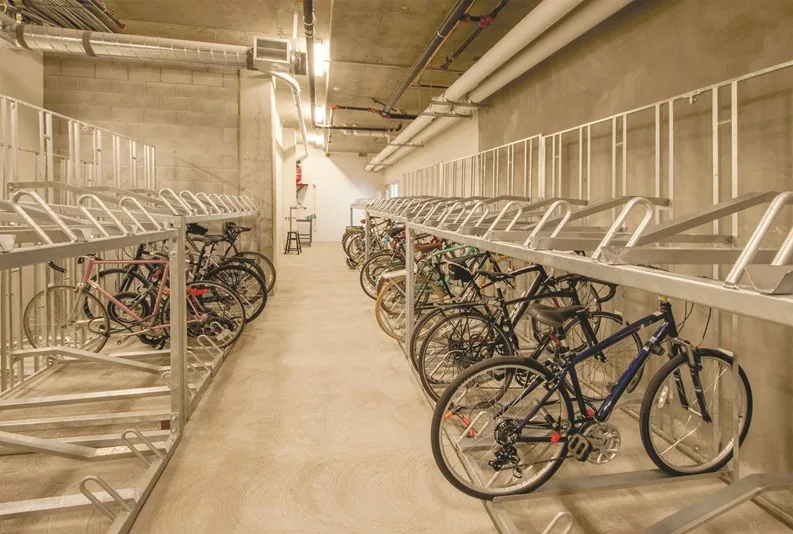
Even when ownership is achieved, storage can present a significant barrier, particularly in group homes or shared living environments where space is limited, and facilities are not designed to accommodate larger equipment. Adaptive bikes often require more space than standard bicycles and may not fit in typical indoor storage areas or bike racks, or may not conform to accessibility standards. Without secure, accessible storage, residents may be unable to safely store or regularly use their bikes. Addressing this challenge requires intentional planning, such as designated storage rooms, ground-level access, and weather-protected outdoor facilities that can accommodate a range of adaptive bike types. Ensuring accessible storage is a critical component of making ownership practical and sustainable.
Conclusion
Adaptive bicycles have the potential to meaningfully expand who can participate in cycling and how people experience mobility. The benefits are clear: improved physical health, stronger mental well-being, and greater independence in both recreation and transportation. However, access to these benefits is not yet consistent. Barriers related to infrastructure, cost, care networks, and storage continue to limit use, particularly for the individuals who would benefit most. Addressing these gaps requires looking beyond the bikes themselves and focusing on the systems that shape how, where, and whether people can ride.
Expanding access will depend on practical, coordinated action across multiple fronts. Investments in more inclusive infrastructure, along with scalable program models like bikeshare, nonprofit programming, and rebate initiatives, can help reduce barriers to entry. At the same time, supporting long-term use through maintenance support and accessible storage is just as important. Grounding these efforts in universal design and stronger coordination between transportation, healthcare, and community organizations will be key. With that foundation in place, adaptive bicycles can become a more integrated and reliable part of the broader mobility system, rather than a limited or specialized option.
Shared Mobility Inc conducted research on mobility accessibility in collaboration with the National Aging and Disability Transportation Center back in 2020. Click here to read our report.